
The Simple Trick to Check on Someone Without Making It Awkward
I used to be terrible at this. Like, embarrassingly bad. I'd see a friend posting cryptic Instagram stories or notice someone getting quieter in our group chats, and I'd either panic-text them with some dramatic "ARE YOU OKAY??" message or... do absolutely nothing because I was terrified of making it weird.
Both approaches sucked, obviously.
The truth is, most of us want to be there for people we care about, but we've somehow convinced ourselves that checking in requires this whole production. Like we need to transform into some kind of mental health superhero with the perfect words and timing. Spoiler alert: we don't.
The Thing Nobody Talks About
Here's what I've learned after years of fumbling through this: the people who need checking on the most are often the ones who seem like they have it together. They're not posting crying selfies or obvious cries for help. They're just... quieter. A little more distant. Maybe their jokes don't land the same way, or they're suddenly "too busy" for things they used to love.
I think about my friend Sarah (not her real name, but you know someone like her). She was always the planner, the one organizing group dinners and sending funny memes. Then slowly, she just started fading. Not dramatically, just less Sarah-ish. And I kept thinking, "I should text her," but then I'd overthink it until weeks went by.
The fucked up part? When I finally did reach out, she told me she'd been going through one of the darkest periods of her life. "I kept hoping someone would notice," she said. That hit me like a truck.
Why "How Are You?" Doesn't Work
Let's be honest, "How are you?" is basically meaningless at this point. It's what we ask the cashier at Target. When someone's struggling, they're not going to dump their mental health crisis on you in response to that generic question. They'll just say "fine" and move on.
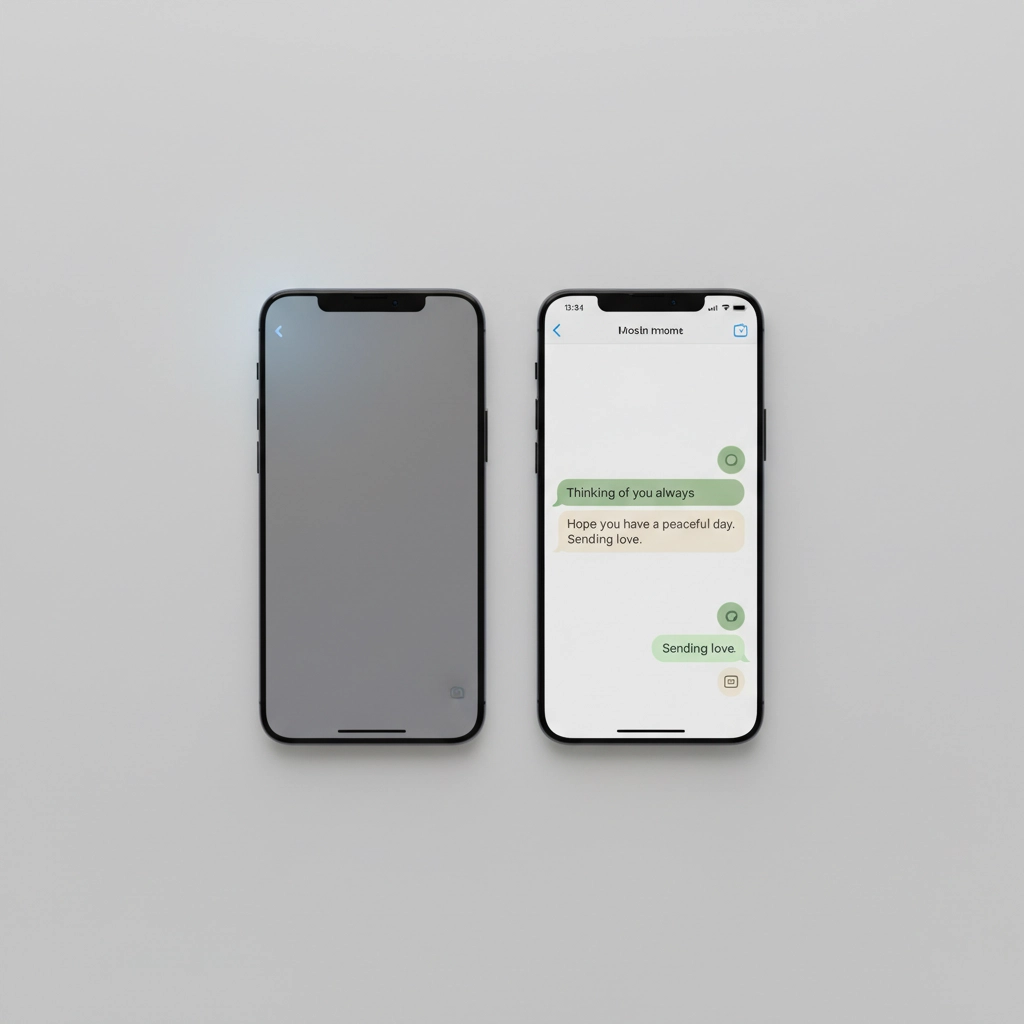
Instead, I've started using what I call the "thinking of you" approach. It's stupidly simple: mention something specific that made you think of them. Like:
"Heard this song that reminded me of that road trip we took, how are things going lately?"
"Saw this meme about introverted dogs and thought of you 😂 What's new in your world?"
"I was just thinking about how you always know the best restaurants, we should catch up soon. How's everything?"
The key is being genuine about it. Don't manufacture some random connection if it's not real. But chances are, if you're thinking about reaching out to someone, there probably is something that brought them to mind.
The Magic of Low Stakes
Here's the simple trick that changed everything for me: make it about connection, not interrogation. You're not trying to diagnose anyone or solve their problems in one text. You're just saying, "Hey, you matter to me, and I'm thinking about you."
Sometimes I'll send a voice message instead of typing. There's something about hearing someone's voice that feels more personal, less formal. I'll be walking my dog or making coffee and just record a quick: "Hey, just wanted to say hi and see how you're doing. No pressure to respond if you're busy, just thinking of you."

When You Know Something's Wrong
If you suspect someone's really struggling, like, beyond just having a rough week, the approach shifts slightly. You don't need to become their therapist, but you can create space for them to talk if they want to.
I learned this one from my therapist (shout out to therapy, by the way, if you're not going, consider it). She said the most powerful thing you can do is ask someone how they want to be supported, not assume what they need.
Instead of: "You seem off, what's wrong?"
Try: "I've noticed you seem like you might be going through something. I'm here if you want to talk, or if you just want someone to sit with you, or literally anything else. What would help?"
This gives them control over the situation. Maybe they want to spill everything. Maybe they just want to watch Netflix together in silence. Maybe they need you to help them with practical stuff like groceries or walking their dog.
The Music Connection
Music has been my secret weapon for checking in on people. I keep a running playlist of songs that remind me of different friends, and sometimes I'll share one: "This came on shuffle and made me think of you, how are you doing lately?"
There's something about music that bypasses all the awkward small talk. It's like saying, "You were important enough to me that this three-minute song brought you to mind." Plus, if they're struggling, sometimes a good song hits different than words.
Some of my go-to check-in songs have been Phoebe Bridgers' "Garden Song" (for the friends who get in their heads), Frank Ocean's "Self Control" (for anyone going through relationship stuff), or even something lighter like Lizzo's "Good as Hell" (for when someone needs a mood boost).
Creating Rituals Around It
I used to think reaching out had to be this spontaneous, inspired thing. But honestly? Sometimes the people who need it most are the ones we forget about because they don't demand attention. So I started being more systematic about it.
Every Sunday, I go through my contacts and pick three people to check in with during the week. Not anything elaborate, just a text or voice message. I do it while I'm having my morning coffee, or during my evening walk, or after my yoga practice when I'm feeling more centered.
Speaking of yoga, there's something about those moments after meditation or a good flow session when you feel more connected to yourself and, by extension, to other people. I've sent some of my best check-in messages after yoga, when my brain isn't overthinking everything.
The Essential Oil of Human Connection
Okay, this might sound weird, but stay with me. I keep a small bottle of eucalyptus oil on my desk, and sometimes when I'm feeling anxious about reaching out to someone, I'll take a quick smell. It sounds ridiculous, but it grounds me and reminds me that caring about people doesn't have to be complicated.
Just like essential oils work best when you use them consistently, checking in on people works better as a regular practice rather than something you only do during crisis moments.
What If They Don't Respond?
This is the fear that stops most of us, right? What if we reach out and they don't text back, or they seem annoyed, or it's just... awkward?
Here's the thing: if someone doesn't respond, it's usually not about you. They might be overwhelmed, they might not have the energy to engage, or they might be processing what you said. That doesn't mean you shouldn't have reached out.
I think about all the times someone checked in on me when I was going through it, and even if I didn't respond right away, it mattered. It planted a seed that said, "Someone gives a shit about me." Sometimes that's enough to get through another day.
The Ripple Effect
The more I've practiced this, just genuinely checking in on people without making it a whole thing, the more it's come back to me. Friends reach out more. People feel safer being real with me. It's created this web of support that feels so much more natural than formal "mental health check-ins."
And here's what I've noticed: when you normalize caring about people and asking how they're really doing, it gives everyone permission to be more honest. Instead of surface-level interactions, you start having real conversations about real shit.
Making It Your Own
The "simple trick" isn't really a trick at all, it's just being a decent human who pays attention and gives a damn. But if you need a starting place:
Pick someone you've been thinking about. Send them something genuine about why they came to mind. Ask an open-ended question about how they're doing. Then actually listen to the answer.
That's it. No perfect timing required. No special training needed. Just you, being present and caring about someone else's human experience.

The world is heavy enough right now. We don't need to make caring about each other more complicated than it already is. Sometimes the most radical thing you can do is send a simple text that says, "Hey, thinking about you. How are things?"
Trust me, it's not as awkward as you think it'll be. And even if it is a little awkward? That's better than the alternative of saying nothing at all.
We're all just trying to figure this out as we go. Might as well figure it out together.
