
7 Warning Signs Your Friend Needs You (And How to Actually Help)
I've been thinking a lot lately about how we show up for each other. Like, really show up. Not just the surface-level "how are you?" texts, but the deeper stuff. The messy, uncomfortable conversations that might actually save someone's life.
Last month, I almost missed the signs with someone close to me. It's such a shitty feeling when you realize later that all the pieces were there, scattered around like breadcrumbs, and you just... didn't connect them. Or maybe you did notice something felt off, but you talked yourself out of reaching out because you didn't want to be dramatic or intrusive.
Here's the thing though, we're living in this weird time where everyone's struggling but we're all pretending we're fine. Social media highlights, fake smiles, the whole "I'm busy" culture that keeps us from actually checking in on each other. Meanwhile, people are drowning in plain sight.
So let's talk about the real signs. The ones that matter. Because recognizing them isn't just about being a good friend, sometimes it's literally about life and death.
1. They're Suddenly Different People
You know when someone you care about just... changes? Like, fundamentally. Their whole energy shifts. Maybe your usually optimistic friend becomes cynical overnight, or someone who's normally social starts declining every invitation.
I'm not talking about bad days or rough weeks, we all have those. This is deeper. It's when their core personality seems to evaporate and you find yourself thinking, "What happened to the person I know?"
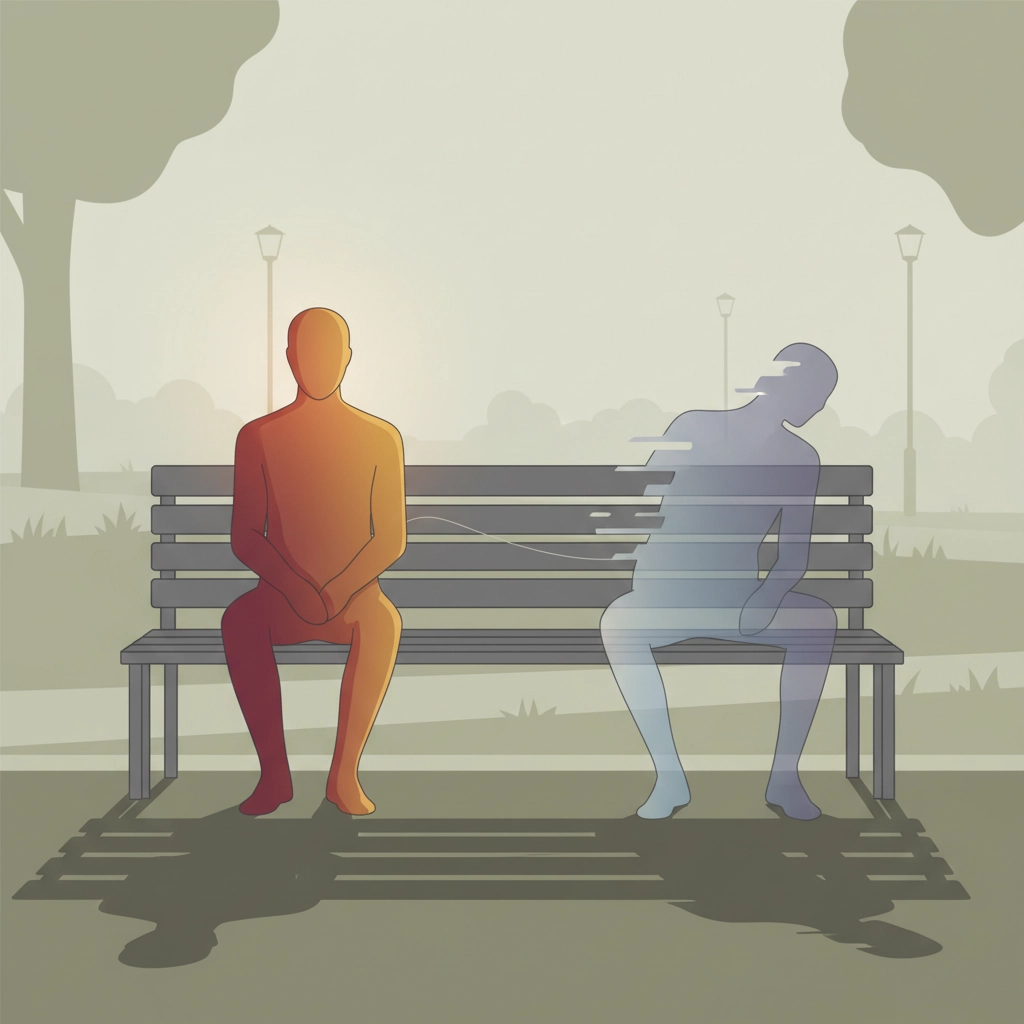
The scary part is how gradual it can be. Like watching someone fade in slow motion until one day you realize they've become a completely different version of themselves.
2. The Great Disappearing Act
This one hits hard because it often feels personal. Your friend stops responding to texts, cancels plans last minute, or just becomes... absent. Not physically absent necessarily, but emotionally unavailable in ways that feel foreign.
I remember a friend who used to call me randomly just to share funny stories or complain about work. Then suddenly, radio silence. When I did manage to catch them, they'd give short answers and seem eager to end the conversation. It wasn't until later I realized they weren't pulling away from me specifically, they were pulling away from everyone.
The withdrawal often comes with this weird guilt cycle too. They feel bad for isolating, which makes them feel worse, which makes them isolate more. It's like emotional quicksand.
3. Sleep and Food Become Enemies
When someone's mental health is tanking, their relationship with basic survival needs gets completely fucked up. They're either sleeping 12 hours and still exhausted, or lying awake at 3 AM staring at the ceiling. Food becomes either a comfort mechanism or something they completely forget exists.
Watch for the friends who mention they "forgot to eat today" multiple times a week, or who seem to be living exclusively on delivery apps and energy drinks. Or conversely, friends who talk about food constantly but in weird, obsessive ways.
Your body and mind are so connected that when one's struggling, the other follows. It's like your basic operating system starts glitching.
4. Everything Becomes "Whatever" or "Fine"
You know what I mean by this, right? That flat, emotionless response to everything. No enthusiasm, no complaints, no real reactions to anything. Just... neutral. Dead neutral.
It's actually scarier than dramatic emotional outbursts because it suggests someone has checked out completely. Like they've decided nothing matters enough to feel strongly about it anymore.
When someone who used to have opinions about everything suddenly doesn't care about anything, that's when you need to pay attention. Real attention.

5. They Start Giving Things Away
This one's subtle and heartbreaking. Someone starts cleaning out their room, giving away possessions that used to mean something to them, or having weird "just in case" conversations about their stuff.
Sometimes it comes disguised as generosity or minimalism, but there's an urgency to it that feels different. Like they're tying up loose ends.
I've seen this with people who suddenly want to make sure their favorite books go to specific friends, or who start talking about their passwords and accounts in ways that seem overly practical for someone their age.
6. The Social Media Shift
Their online presence either disappears completely or becomes concerning. Maybe they're posting cryptic messages at weird hours, sharing dark content obsessively, or their usual personality completely vanishes from their feeds.
Or they go the opposite direction, suddenly oversharing in ways that feel desperate for connection. Long, rambling posts that seem to be reaching for something they can't quite articulate.
Social media behavior can be a window into someone's internal world, especially for people who struggle to vocalize what they're going through.
7. They Talk About Being a Burden
This is the big one. When someone starts saying things like "everyone would be better off without me" or "I'm just making things worse for people," alarm bells should be going off everywhere.
It often comes out in offhand comments during regular conversations. Not dramatic declarations, but these casual mentions of feeling worthless or like they're causing problems for everyone around them.
The dangerous thing is how normal they try to make it sound. Like it's just an obvious fact rather than a serious warning sign.

So What Do You Actually Do?
Here's where most advice gets useless because it's either too vague ("be supportive") or too clinical. But honestly? The best thing you can do is just show up. Imperfectly, awkwardly, consistently.
Start with the direct approach. Text them: "Hey, I've been thinking about you and I'm worried. Can we talk?" Don't dance around it or wait for the perfect moment. There isn't one.
Listen without trying to fix everything. This is so hard because we want to solve problems, but sometimes people just need to be heard. Sit with them in their mess without immediately jumping to solutions.
Make concrete plans. Instead of "let me know if you need anything" (which puts the burden on them to ask), try "I'm coming over Saturday with coffee and terrible reality TV. What time works?" Give them something to look forward to, even if it's small.
Help them access real resources. This might mean researching therapists together, driving them to appointments, or helping them figure out their insurance. The logistics of getting help can feel impossible when you're struggling.
And here's something we don't talk about enough, you can't save someone by yourself. That's not how this works. Your job isn't to be their therapist or their sole support system. Your job is to be present and help them connect with professional resources.
The Music That Gets Us Through
Sometimes the right song at the right moment can be a lifeline. I've been building playlists for different moods and struggles because music has this way of saying what we can't. Artists like Phoebe Bridgers, The National, and even Taylor Swift's more vulnerable tracks create this space where feeling everything deeply isn't just okay, it's necessary.
At Breathe N Bounce, we talk a lot about how creative expression and mindfulness practices can be tools for mental health. Not cure-alls, but tools. Whether it's a podcast episode that makes you feel less alone, a yoga session that helps you breathe through anxiety, or essential oils that ground you when everything feels chaotic, these aren't magic bullets, but they're part of building a support system that actually works.
The thing is, we're all stumbling through this together. None of us have it figured out, and that's actually kind of beautiful. We're all just trying to take care of each other in whatever imperfect ways we can.
If you're reading this and recognizing yourself in these warning signs, please know that reaching out for help isn't weakness: it's actually the bravest thing you can do. And if you're reading this because you're worried about someone else, trust your instincts. It's better to have an awkward conversation than to wonder later what might have happened if you'd said something.
We're not meant to carry this stuff alone. We never were.
