
Gen Z and Mental Health: Why Normalizing the Conversation Still Isn't Enough
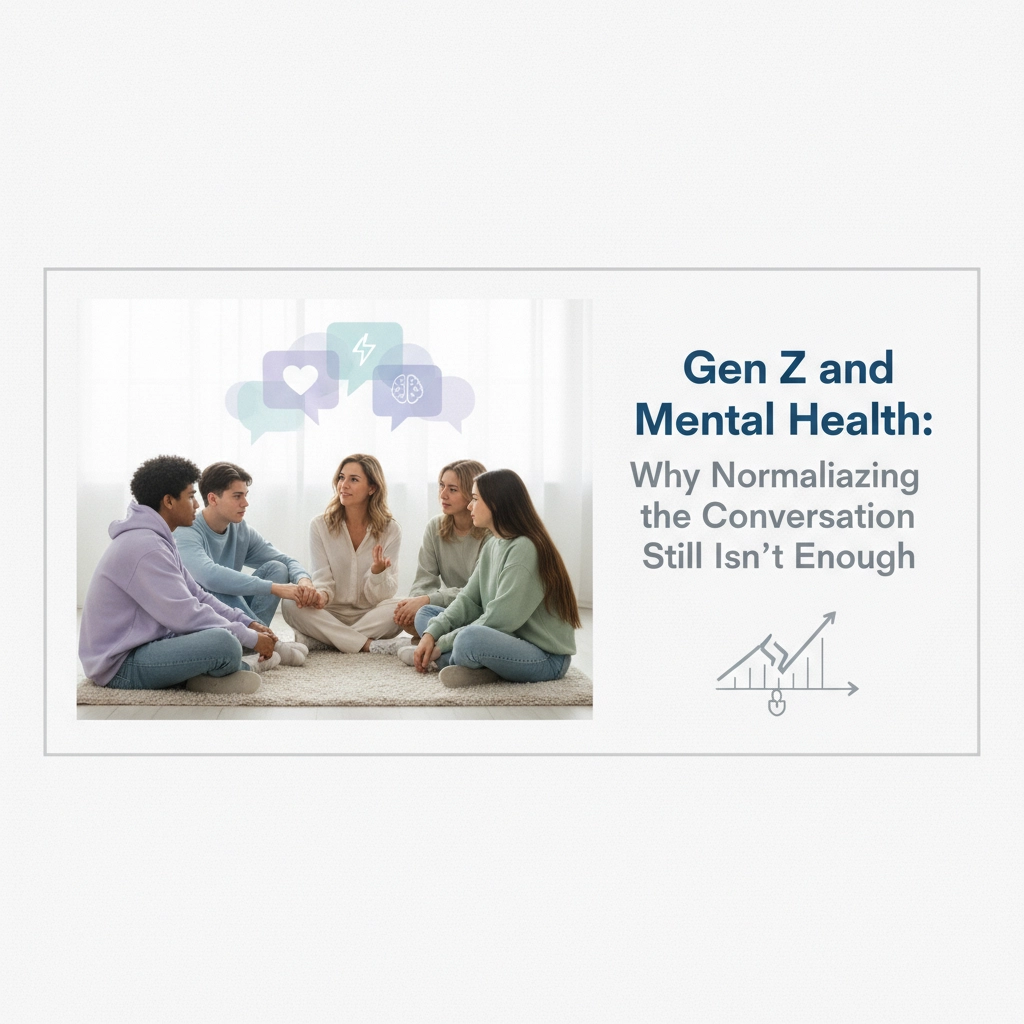
Okay, let's get real for a minute. We did it. Gen Z actually broke through decades of "we don't talk about mental health" bullshit that our parents and grandparents lived with. We put depression memes on TikTok, we talk about therapy like it's getting coffee, and we've made it okay to say "I'm not okay" without someone immediately trying to fix us with toxic positivity.
But here's the thing that's been eating at me lately, all that normalization? It's not actually solving anything. And honestly, it's starting to feel like we've created this weird space where everyone's talking about mental health, but we're all still drowning.
The Numbers Don't Lie (And They're Pretty Fucking Scary)
I was scrolling through some research the other day, and the stats hit me like a brick wall. Get this: 94% of Gen Z experiences mental health challenges every single month. Not year, month. That's basically all of us. And before you think "well, at least people are getting help," here's the kicker, 46% of us have actual diagnoses, but another 37% think we have undiagnosed conditions we just... can't or won't address.
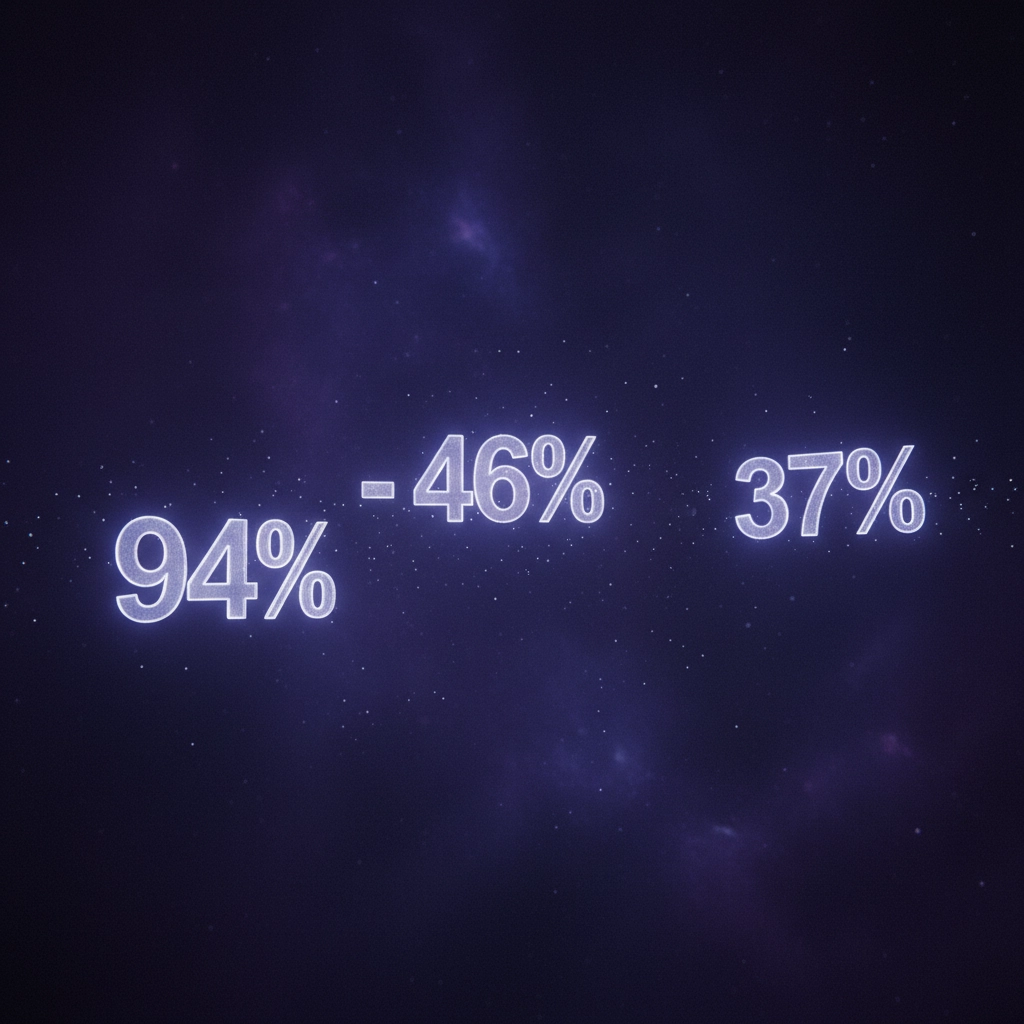
When I see numbers like that, my first thought isn't "wow, we're so aware." It's "holy shit, what is actually happening to our generation?"
The most common stuff? Anxiety (no surprise there), depression, and ADHD. But here's what really gets me, we can name our diagnoses, we can talk about our symptoms, we know all the therapy terms, and yet... we're still not okay. So what gives?
We're Treating Symptoms, Not Causes
This is where I think we've gotten it twisted. We've become really good at talking about mental health, but we're still living in the exact same conditions that are making us sick in the first place.
Think about it, the top reasons we're struggling aren't exactly things we can therapy our way out of:
- 39% of us say social media comparison is screwing with our heads
- 22% point to an uncertain future and career instability
- 11% are stressed about the economy (and let's be honest, that number feels low)
I mean, I can go to therapy all I want and learn coping skills, but if I'm still doom-scrolling Instagram for 6+ hours a day (which, according to research, most of us are), comparing my behind-the-scenes to everyone else's highlight reel... therapy can only do so much, you know?
The Social Media Trap We Can't Seem to Escape
Here's something that pisses me off: we all know social media is bad for us. We've seen the studies, we've felt it in our own lives, we've even posted about it. But 78% of us admit we're basically addicted to our phones and social media.
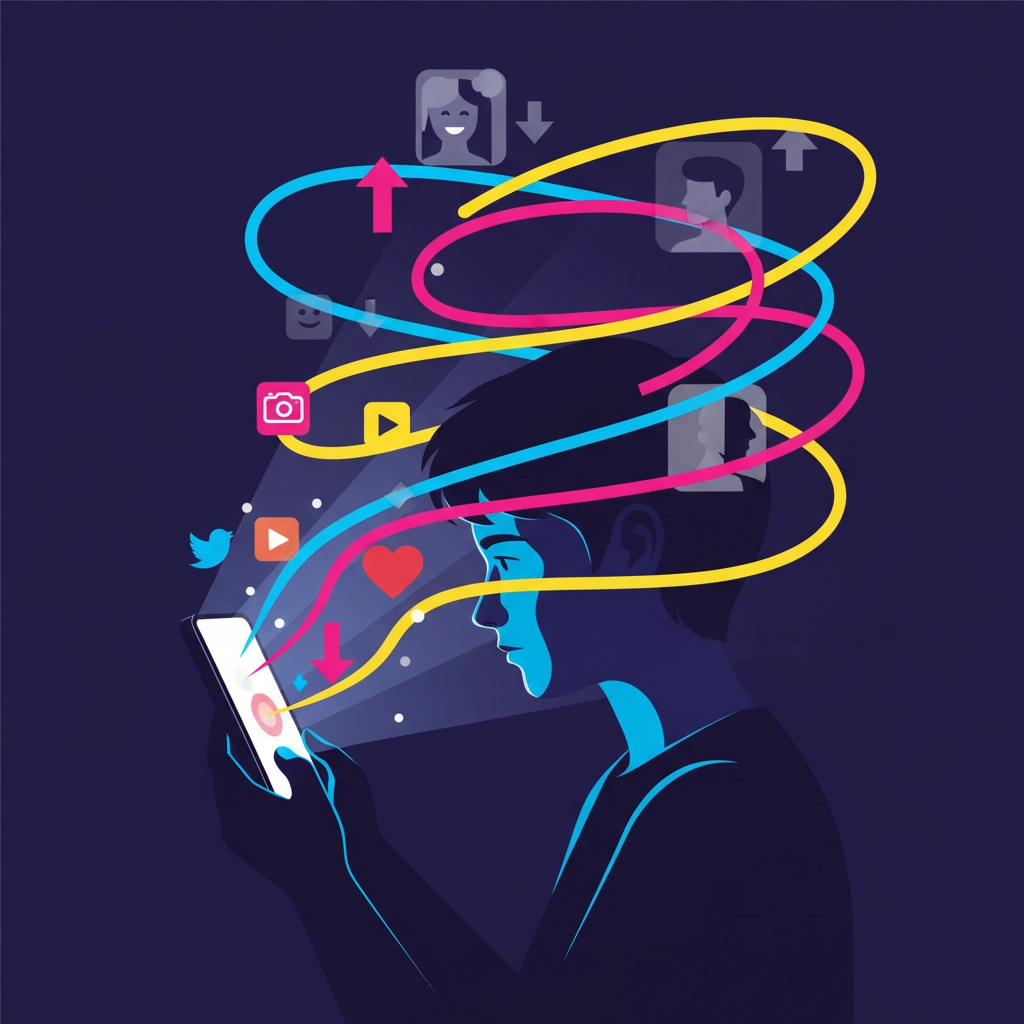
It's this weird cycle where we use the same platforms that are making us anxious to talk about how anxious we are. And don't get me wrong, I've found some incredible mental health communities online. But the underlying structure of these platforms? The algorithms that feed us content designed to keep us scrolling, the comparison culture, the constant performance of our lives? That's still there, feeding us anxiety with one hand while we try to process it with the other.
The Economic Reality Check
Can we talk about money for a second? Because I feel like this gets glossed over a lot in mental health conversations. More than 2 in 5 of us don't think our generation is set up for success. Housing is unaffordable, student debt is crushing, the job market is... well, it's a lot.
When I see friends talking about their anxiety, so much of it comes back to basic survival stuff. Can I afford rent? Will I find a job? Can I ever buy a house? Will I be able to retire? These aren't irrational fears, they're legitimate responses to a genuinely difficult economic situation.
And yet, when we talk about our mental health, we often focus on individual coping strategies instead of acknowledging that some of our anxiety is actually a rational response to genuinely fucked up circumstances.
The Resource Gap Is Real
Here's something that really bothers me: only half of us feel like we actually know what mental health resources are available. And get this, only half of us think our current coping strategies are actually working.
So we've normalized talking about mental health, but we haven't figured out how to actually access effective help or develop strategies that work. That's... not great.
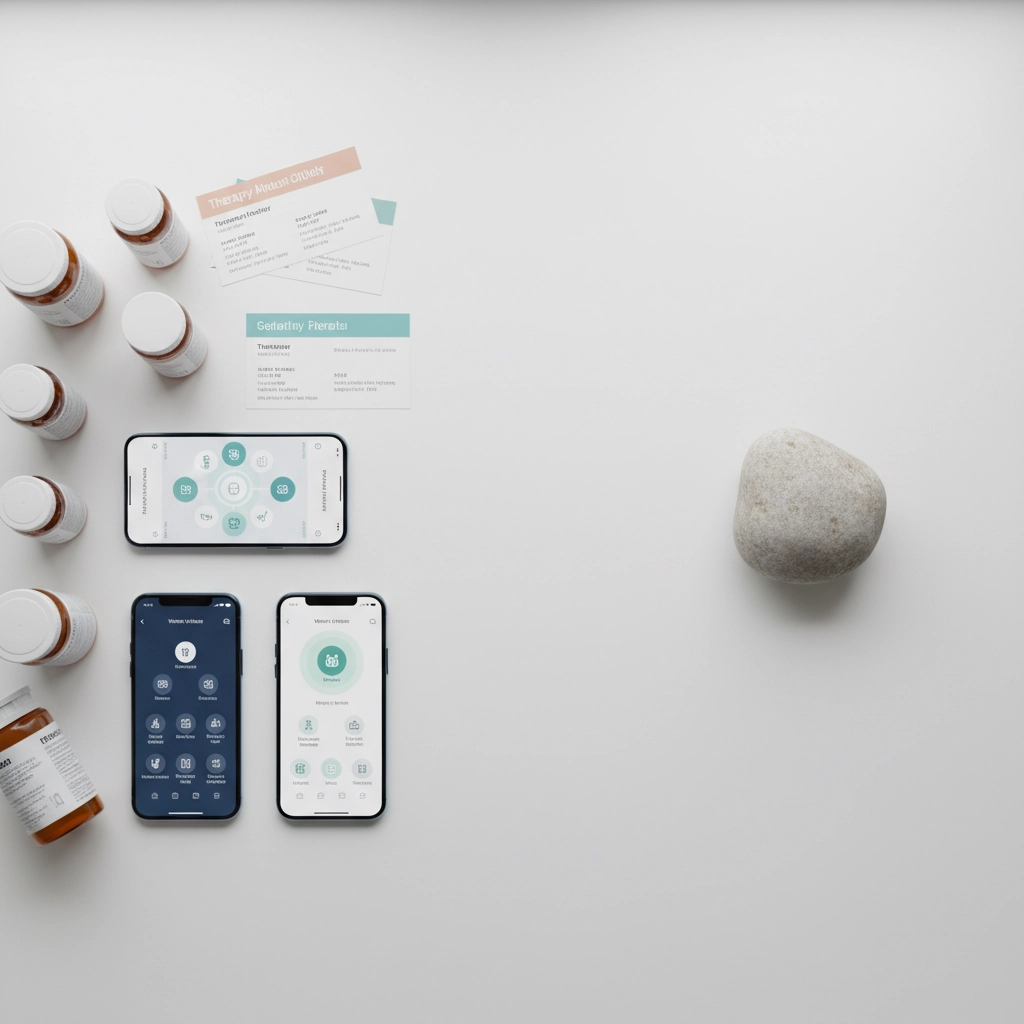
Maybe this explains why 34% of us are on prescription medication for mental health, and another 19% are using non-prescribed drugs (hello, cannabis) to manage symptoms. I'm not judging, sometimes we need pharmaceutical support, and sometimes we need to find relief wherever we can get it. But the scale of this suggests that our current system isn't meeting the demand for actual, effective treatment.
When "Normal" Life Becomes Impossible
Even though we're talking about mental health more, over half of us are still dealing with sleep issues tied to our mental health. 49% of us struggle to concentrate, and 45% skip social events because of how we're feeling.
These aren't just feelings, these are concrete ways our mental health is interfering with work, school, relationships, and basic life functions. And honestly? Sometimes I wonder if normalizing the conversation has almost made it easier to accept this level of dysfunction as just... how life is now.
Like, we're so good at talking about our anxiety and depression that we've maybe stopped expecting things to actually get better?
Finding What Actually Works (Beyond Just Talking)
Don't get me wrong, I'm not saying we should go back to the days of suffering in silence. The fact that we can talk openly about mental health is genuinely progress. But I think we need to push past just talking and start looking at what actually moves the needle.
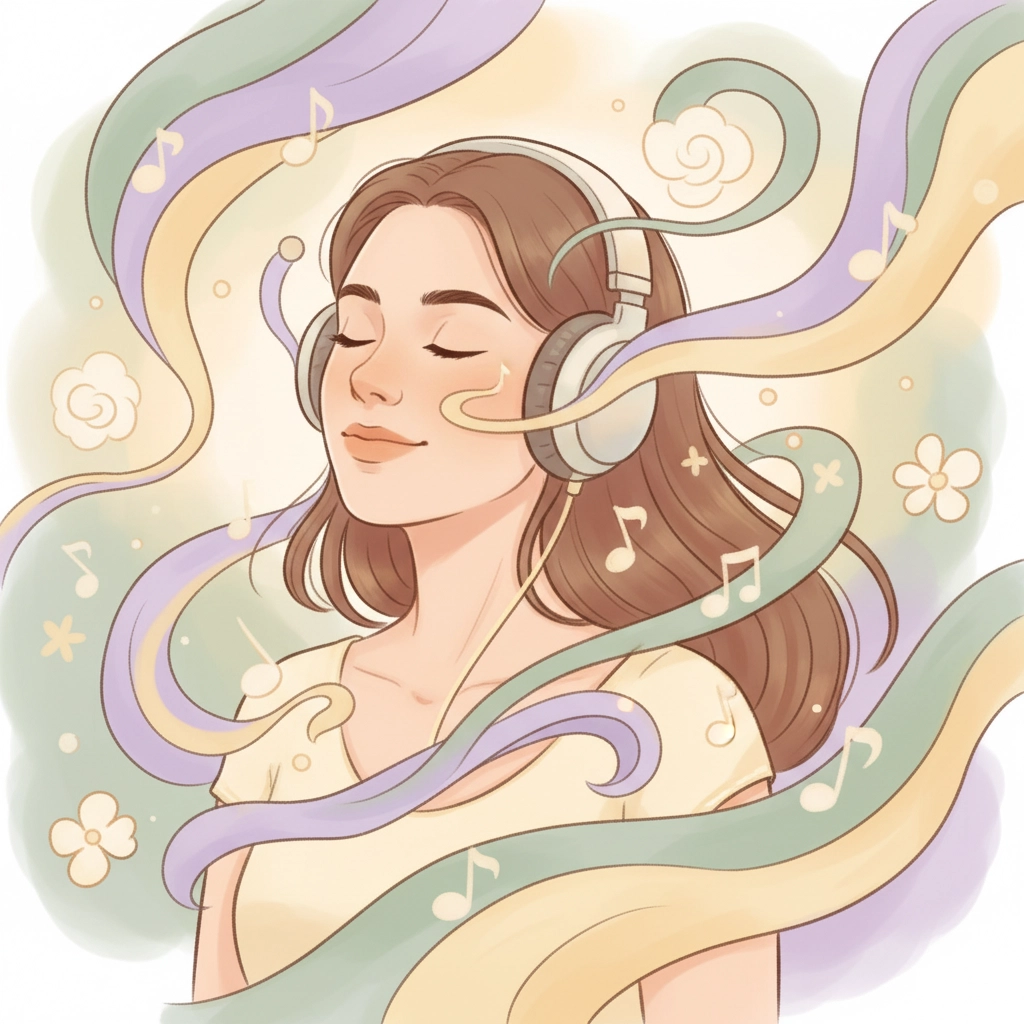
For me, it's been about finding practices that work with my body, not just my brain. Music has been huge, like, I have specific playlists for different emotional states. There's something about Phoebe Bridgers when I'm feeling that specific brand of sad, or Lizzo when I need to remember that I'm a whole-ass person worthy of love and respect.
Yoga has been another game-changer, though it took me forever to find a style that didn't feel like performative wellness bullshit. I needed something that acknowledged that sometimes you're just trying to get through the day, not achieve enlightenment.
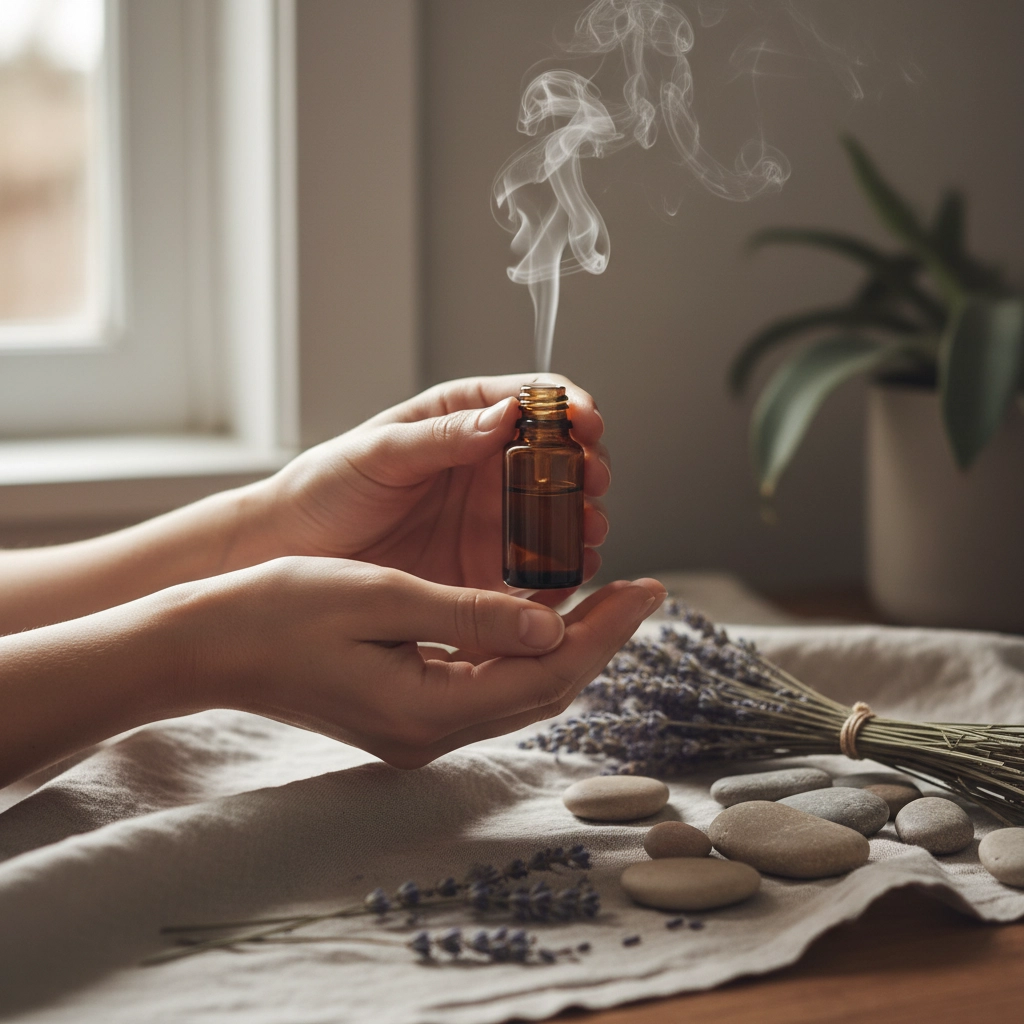
And honestly? Essential oils have been surprisingly helpful, not in a "this will cure your depression" way, but in a "having a consistent ritual that signals to my nervous system that it's time to calm down" way. Lavender before bed, peppermint when I need to focus, eucalyptus when I'm feeling overwhelmed. Simple stuff, but it works.
The Community Piece We're Missing
I think one thing that gets lost in all the individual mental health talk is how much we need actual community. Not just online community (though that can be great), but people in our physical spaces who get it.
69% of us have talked to friends about mental health, which is amazing. But I wonder sometimes if we're all just... processing together without necessarily supporting each other in concrete ways. Like, it's great that we can all say "I'm anxious," but are we actually there for each other in practical ways?
Moving Beyond Normalization
So where does this leave us? I think normalizing mental health conversations was step one, and it was crucial. But now we need step two: actually addressing the conditions that are making us sick.
That means pushing for systemic changes, better mental health resources, economic policies that don't leave young people feeling hopeless, tech companies taking responsibility for the mental health impact of their platforms. But it also means getting real about what actually helps us on a day-to-day level.
Maybe it's setting actual boundaries with social media instead of just complaining about it. Maybe it's finding practices that ground us in our bodies. Maybe it's building real community instead of just commiserating online.
And maybe it's being okay with the fact that some of our anxiety and depression are reasonable responses to genuinely difficult circumstances, while still doing what we can to take care of ourselves within those circumstances.
We've done the hard work of making it okay to not be okay. Now let's do the even harder work of figuring out how to actually be okay: or at least, how to be okay enough to keep going and maybe even thrive a little.
Because honestly? We deserve more than just being allowed to talk about how much we're struggling. We deserve to actually struggle less.
