
Struggling with Dark Thoughts? Here's What Mental Health Experts Don't Tell You
Look, I'm not going to sugarcoat this shit. If you clicked on this post, there's probably a reason. Maybe you're lying in bed at 3 AM with your brain doing that thing where it won't shut the fuck up. Maybe you're scrolling through your phone looking for someone, anyone, to tell you that what's happening in your head isn't as scary as it feels.
I've been there. We've all been there, even if we don't talk about it.
Here's what I wish someone had told me when I was drowning in my own thoughts: the mental health advice you get from most articles and even some therapists? It's not wrong, but it's incomplete. They give you the textbook answers without acknowledging how messy and complicated this whole thing actually is.
So let's talk about the stuff they don't tell you.
The Real Talk About Dark Thoughts
First off, having dark thoughts doesn't make you broken or dangerous or weak. I know that sounds obvious, but when you're in the thick of it, it doesn't feel obvious at all. It feels like you're losing your mind.
The clinical term is "intrusive thoughts," and here's what the experts get right: these thoughts are not you. They're not your desires or intentions. They're more like mental hiccups, random, unwanted, and totally normal parts of being human.
What they don't always tell you? Sometimes these thoughts feel so real and so intense that the distinction between "just a thought" and "something I might actually do" gets blurry as hell. And that's terrifying.
I remember listening to Phoebe Bridgers' "I Know the End" on repeat during one of my worst periods, and there's this line about wanting to be happy. The whole song builds to this screaming climax that felt like everything I couldn't say out loud. Sometimes music gets it when words fail.
What the Textbooks Miss
Here's where most mental health advice falls short: it assumes you're functioning at a baseline level where you can just "practice mindfulness" or "challenge negative thoughts." But when you're really struggling, when the dark thoughts feel loud and constant, those techniques can feel about as useful as bringing a water gun to a house fire.
The reality? Some days, survival is the goal. Some days, just making it to tomorrow is enough. And the mental health field is getting better at acknowledging this, but it's still not talked about enough.
Another thing they don't tell you: recovery isn't linear. You're going to have good days and shit days, and sometimes the shit days come right after you thought you were finally getting better. That doesn't mean you're failing or that nothing works. It means you're human.
The Stuff That Actually Helps (Beyond the Usual Advice)
Yeah, therapy works. CBT and all that evidence-based stuff? It's legit. But let me tell you about the small things that kept me going when the big things felt impossible.
Music as Medicine I'm not talking about playing happy songs to force yourself into a better mood. I'm talking about finding music that matches where you are. Sometimes you need Radiohead's "OK Computer" to sit with the darkness. Sometimes you need Taylor Swift's "folklore" to feel less alone in the sadness. Sometimes you need something angry like Rage Against the Machine to channel the frustration.
Create playlists for different moods. Have a "3 AM thoughts" playlist and a "trying to sleep" playlist. Music doesn't fix everything, but it can be a lifeline when you need something to hold onto.
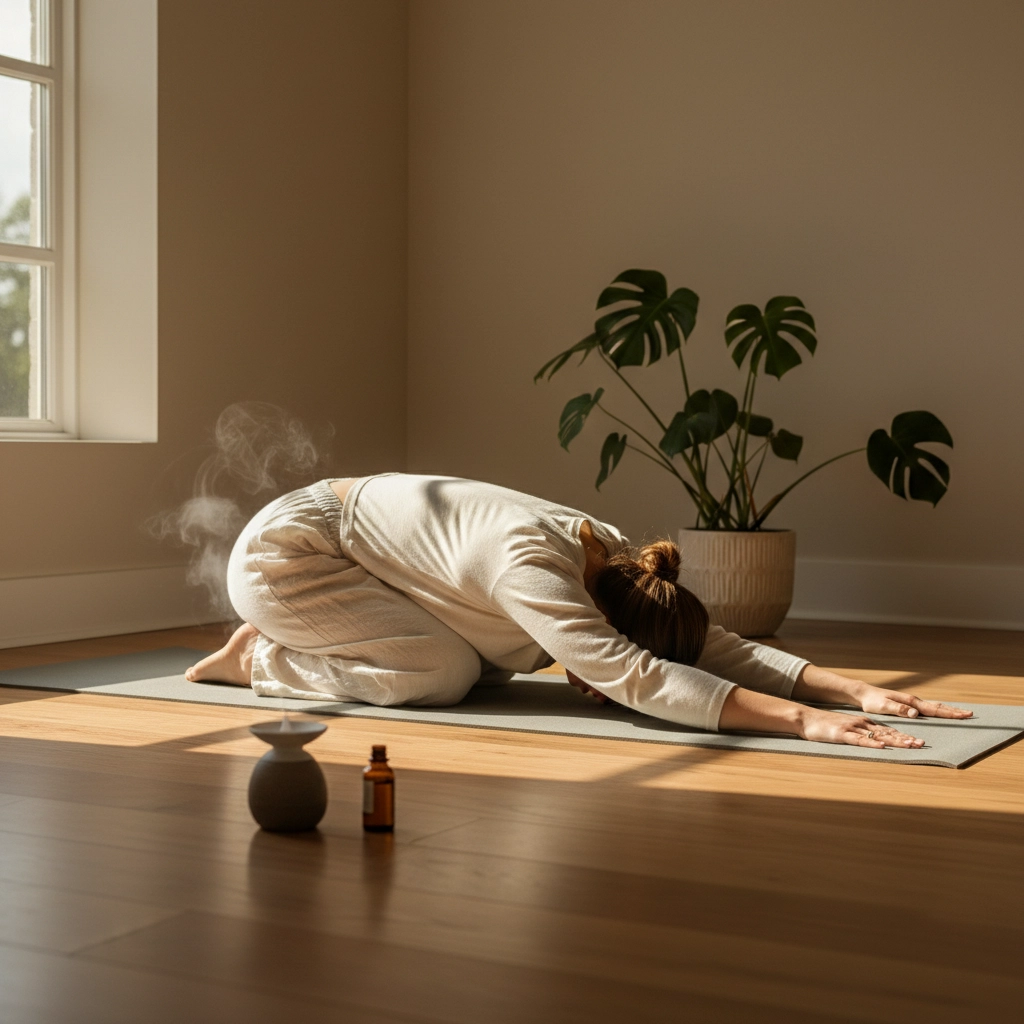
The Body Connection Here's something therapists are starting to talk about more: trauma and stress live in your body, not just your mind. Those dark thoughts often come with physical sensations, tight chest, shallow breathing, tense shoulders.
Yoga isn't just stretching. It's about reconnecting with your body in a gentle way. Even five minutes of child's pose while focusing on your breath can shift something. And no, you don't need to be flexible or spiritual or whatever. You just need to show up on the mat.
Essential Oils Aren't Just Hippie Bullshit Look, I was skeptical too. But there's actual science behind how scent affects our nervous system. Lavender for calming, peppermint for focus, eucalyptus for clarity. It's not going to cure depression, but it can be a small anchor in the storm.
Keep a roller bottle in your pocket. When the thoughts get overwhelming, take a deep breath of something that grounds you. It's a tiny act of self-care that no one else even has to know about.
When Your Brain Becomes the Enemy
Sometimes the scariest part isn't the thoughts themselves, it's not trusting your own mind. When you can't tell the difference between anxiety and intuition, between rumination and reflection, it's like living in a house where all the smoke detectors are broken.
This is where the experts get it right about getting help. But they don't always emphasize that asking for help when you're struggling with dark thoughts isn't just recommended, it's brave as hell.
The National Suicide Prevention Lifeline (988) isn't just for people who are actively suicidal. It's for anyone who's struggling and needs someone to talk to. Crisis Text Line (text HOME to 741741) is there too.
Building Your Own Safety Net
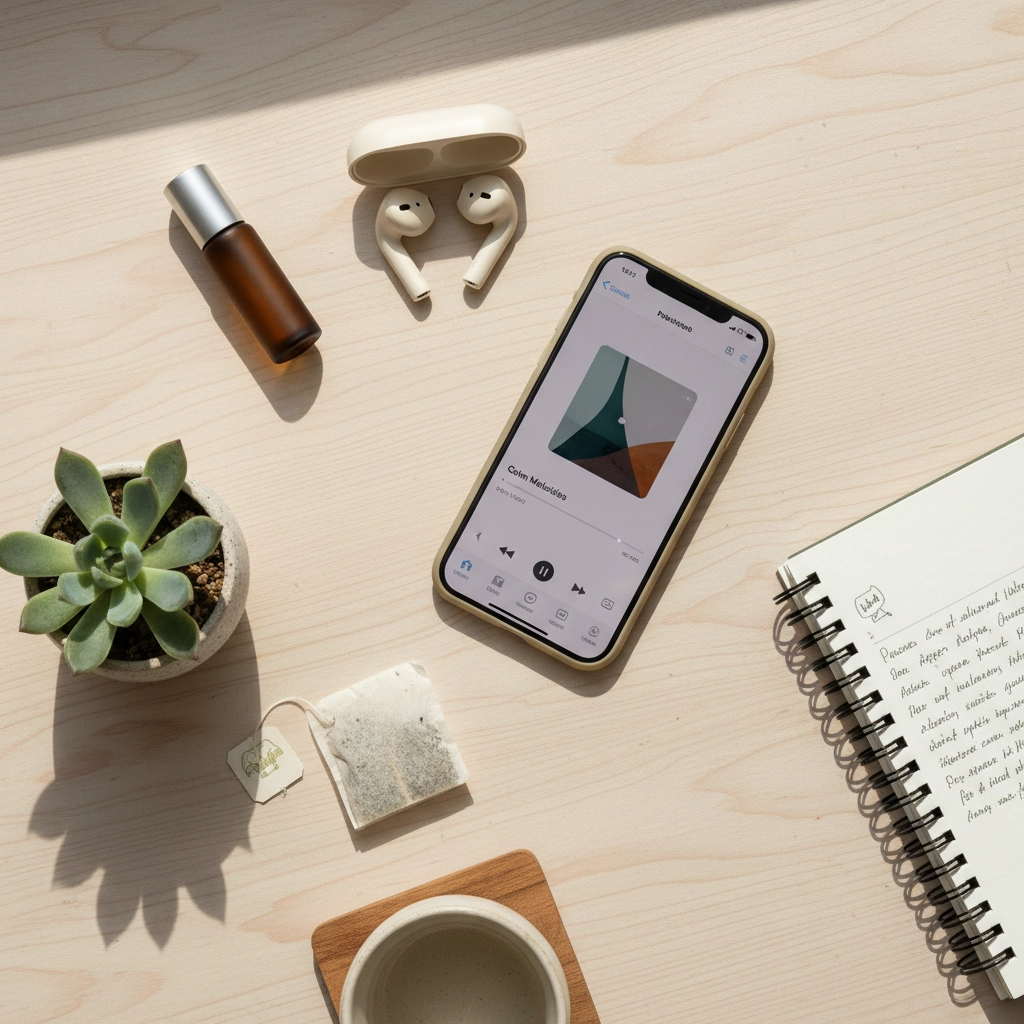
Here's what I wish someone had told me: you need multiple tools, not just one magic solution. Some days therapy helps. Some days it's calling a friend. Some days it's taking a hot shower with eucalyptus oil and letting yourself cry.
Create what I call a "dark day toolkit":
- A playlist that gets it
- Essential oils that calm your nervous system
- A yoga video you can do in 10 minutes
- Phone numbers of people who love you
- A list of small, manageable tasks (brush teeth, drink water, pet your dog)
- Professional help resources
The key is having options because what works today might not work tomorrow, and that's okay.
The Community We Don't Talk About
There's this whole invisible community of people who understand what it's like to have your brain turn against you. We pass each other in grocery stores and at work and on the street, and we have no idea we're part of the same club.
Social media can be toxic as hell, but it's also connected me with people who get it. Following accounts that talk openly about mental health, reading comments from people sharing their own struggles, it reminds you that you're not alone in this.
The podcast community has been huge for me too. There's something about hearing someone's voice talking honestly about depression or anxiety that feels more real than reading about it. It's like having a friend in your ear who understands.
What Recovery Actually Looks Like
Here's the thing no one really prepares you for: getting better doesn't mean the thoughts go away completely. It means they lose their power over you. It means you learn to surf the waves instead of drowning in them.
Recovery looks like having a bad thought and thinking, "Oh, there's that old pattern again," instead of, "I'm a terrible person." It looks like having tools ready when the storm hits instead of being surprised by it every time.
Some days I still wake up with that familiar heaviness. But now I know it's temporary. Now I have my playlist ready, my yoga mat nearby, my lavender oil in my pocket. Now I know the difference between a bad day and a dangerous day.
Moving Forward (Not Moving On)
The mental health experts are right about a lot of things. Therapy works. Medication can help. Professional support saves lives. But they're still learning how to talk about the messy, complicated, non-linear reality of living with mental health struggles.
The truth is, some of us are going to be managing this stuff for life, and that's not a failure, it's just reality. The goal isn't to become someone who never has dark thoughts. The goal is to become someone who knows what to do when they show up.
If you're reading this at 3 AM, if you clicked on this post because you needed someone to understand, if you're tired of advice that feels too clean for your messy reality, I see you. We see you. And tomorrow is worth sticking around for, even when today feels impossible.
Your brain might feel like the enemy sometimes, but you're stronger than your darkest thoughts. And you don't have to prove that alone.
If you're having thoughts of suicide, please reach out:
- National Suicide Prevention Lifeline: 988
- Crisis Text Line: Text HOME to 741741
- Or go to your nearest emergency room
You matter. Your life matters. And this feeling, however overwhelming, is temporary.
